Knowing the Ingredient List: 3 Chemicals Worth a Closer Look
Rajnandini Borah · Pragya Academy
August 13, 2026
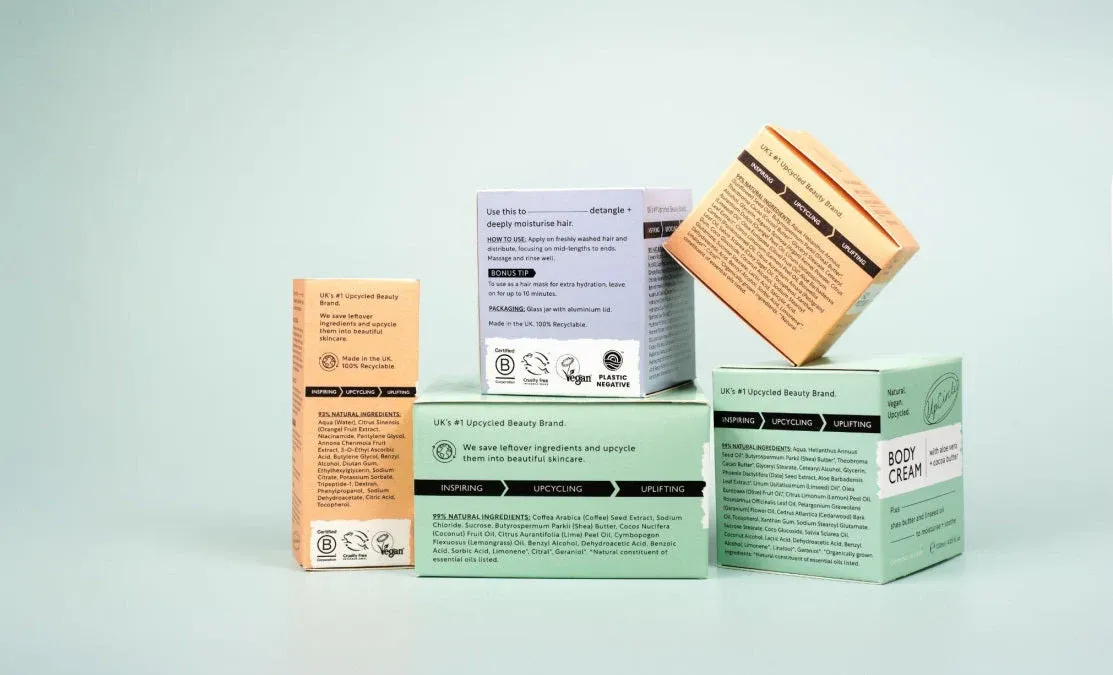
Introduction:
Walk down any personal care aisle and you will find labels promising “fragrance-free”, “no formaldehyde”, and more. But what do those warnings actually mean, and when should you take them seriously? The truth is that most preservatives and additives in cosmetics, foods, and pharmaceuticals exist for good reason: they prevent microbial growth, extend shelf life, and keep products safe to use. But safety depends on dose, context, and individual vulnerability. Some of the most common ingredients – formaldehyde-releasing preservatives, mercury compounds, and synthetic fragrance mixtures – carry real risk under specific conditions. This article breaks down three of the chemical categories in consumer products, explaining when they are dangerous and who should consider avoiding them.
1. Formaldehyde
Formaldehyde is classified as a Group 1 human carcinogen by the IARC (International Agency for Research in Cancer)¹. This classification means that there is sufficient evidence that formaldehyde causes cancer in humans. Formaldehyde is an incredibly strong, cheap, and effective antimicrobial agent. However, because pure formaldehyde is a gas and a harsh irritant, the consumer product industry rarely adds it directly. Instead, they use formaldehyde-releasing preservatives(FRPs).
- Hair Products: When hair-smoothing or straigtening products containing formaldehyde (or methylene glycol – what formaldehyde forms with water) are heated with flat irons, formaldehyde gas is released into the air. Therefore, there is a risk of inhalation, which can expose salon workers and clients to unsafe levels of formaldehyde. Exposure may cause nose and throat irritation, coughing, breathing difficulties, eye irritation, and increased long-term cancer risks².
- Skin Sensitization: Formaldehyde is one of the most common triggers for allergic comntact dermatitis (itchy, dry, red skin). Even miniscule doses can trigger allergic reactions.
As such, many countries have limits or bans on certain uses of formaldehyde and formaldehyde-releasing preservatives³.
2. Mercury
Mercury is classified by the World Health Organization (WHO) as one of the top ten chemicals of major public health concern due to its severe neurological (brain) and developmental (human growth) toxicity⁴. The intentional use of mercury in general skin cosmetics is illegal in many countries including the United States and members of the EU. However, it remains a dangerous global issue due to an active black market for illicit skin-lightening creams, soaps, and certain anti-aging products. Illicit brands sold online or through unauthorized vendors may often try to mask the presence of heavy metals. Always screen labels from unverified products for these alternative names of mercury:
- Mercurous chloride
- Calomel
- Mercuric oxide
- Ammoniated mercury
- Mercurio
- The elemental symbol Hg
Of course, some illicit products do not list mercury on the label at all, which is why making purchases from credible retailers is important⁵.
3. Fragrance
Fragrance (often listed on labels as Fragrance, Parfum, or Aroma) represents one of the most complex ingredient categories in consumer products. Unlike a single defined chemical, a single “fragrance” listing on a label can mask a mixture of dozens to hundreds of distinct synthetic and natural chemicals⁶.
Because many fragrance ingredients are volatile (meaning they evaporate easily), they can be inhaled during use.
- Closed, Poorly Ventilated Environments: Using heavily fragranced aerosols, room fresheners, or perfumes in tightly sealed indoor spaces can increase exposure and intake via inhalation. This can irritate the respiratory tract, as well as worsen respiratory symptoms in sensitive people such as those who have asthma.
- On Compromised Skin: Applying heavily scented lotions immediately after shaving, waxing, or over active eczema allows fragrance to bypass the skin’s defense more easily. This potentially increases the risk of allergic contact dermatitis in certain individuals.
Conclusion:
It is important to understand that not every chemical in your shampoo or lotion is cause for alarm. However, we must also understand that not every label tells the full story. Formaldehyde-releasing preservatives in heated salon treatments pose a risk through inhalation. Mercury has a clear red flag; it is illegal in general cosmetics yet still lurks in illicit skin-lightening products. Finally fragrance, the most ambiguous label of all, can trigger respiratory and allergic reactions in poorly ventilated spaces or on compromised skin. The takeaway is not to fear every ingredient – it is to know your own risk factors, read labels with a more informed eye, and choose products that match specific needs and circumstances.
References:
- International Agency for Research on Cancer. (2012). Chemical agents and related occupations (IARC Monographs on the Evaluation of Carcinogenic Risks to Humans, Vol. 100F). World Health Organization. IARC Volume 100F.
- U.S. Food and Drug Administration. (n.d.). Hair smoothing products that release formaldehyde when heated. FDA - Hair Smoothing Products That Release Formaldehyde When Heated.
- Campaign for Safe Cosmetics. (n.d.). Formaldehyde. Campaign for Safe Cosmetics - Formaldehyde
- World Health Organization. (2024, October 24). Mercury. WHO - Mercury and Health.
- U.S. Food and Drug Administration. (n.d.). Mercury poisoning linked to skin products. FDA - Mercury Poisoning Linked to Skin Products.
- U.S. Food and Drug Administration. (n.d.). Fragrances in cosmetics. FDA - Fragrances in Cosmetics.
- Environmental Working Group. (n.d.). The toxic twelve chemicals and contaminants in cosmetics. EWG - The Toxic Twelve.