Are Dreams Connected to Science?
Shresta V R · Srimathi Sundaravalli Memorial School
July 16, 2026
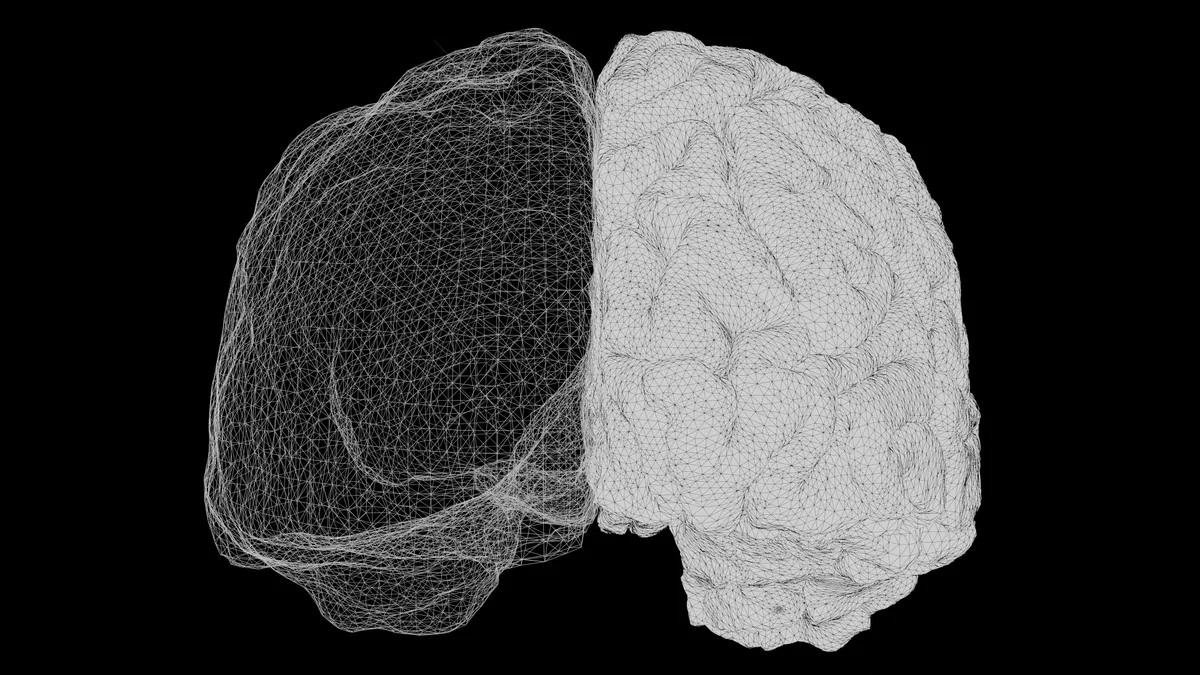
The reason we dream still remains a big question mark. Most of us do not pay much attention to our dreams, brushing them off with a simple, “What a random dream!”.
However, scientists suggest that dreams are anything but random. Rather, dreaming is a complex phenomenon, and there are many theories and reasons behind it. Scientists believe dreams reflect meaningful brain processes.
While there are interesting myths that having dreams increases IQ or that the dreams we get are connected to past lives, there is no scientific evidence supporting them. Dreams are explained by brain activity, so we need to shift our perspective to science!
In order to understand why we dream, we must first understand how the brain works when we sleep.
How does our brain work when we sleep?
When we sleep, our brain does not “shut-down”. Instead, it goes through different stages. There are two main types of sleep in the sleep cycle: NREM (Non-Rapid Eye Movement) and REM (Rapid Eye Movement). A whole cycle lasts around 90 to 110 minutes and repeats 4 to 5 times a night.
The first part of the sleep cycle is NREM sleep, which accounts for 75 to 80 percent of a night’s sleep! NREM is divided into three stages of N1, N2, and N3, with N3 being deep sleep. N1 (Stage 1) is a transition between wakefulness and sleep, making it the lightest stage of sleep. N2 (Stage 2) is a stage of light sleep where brain waves slow down, body temperature gradually drops, and muscles relax. Finally, N3 (Stage 3) is a stage that is also known as slow-wave sleep, as characterized by the slow brain waves (delta waves to be exact!). Heart rate slows down while body temperature drops even more. You can think of N3 as the process where your body gets heavily into repairing itself, with tissue repair, memory organization, and immune function maintenance being some of the processes that occur.
The next part of the sleep cycle is REM sleep. REM sleep accounts for about 20 to 25 percent of a night’s sleep. Here, your brain is highly active, and your eyes move rapidly behind closed lids, giving this stage its name. In fact, brain waves of people in REM sleep have been seen to be similar to those who are fully awake! This is also the stage of sleep where vivid dreams occur. Further, breathing rate increases and your voluntary muscles (arms, legs, torso) become temporarily paralyzed as you dream. This paralysis is called REM atonia, and it is a completely natural function of REM sleep.
In rare cases, this paralysis fail, and people may physically act out in their dream, displaying actions such as talking, shouting, twitching, and kicking. This condition is called REM Sleep Behavior Disorder (RBD). It can result in complex behaviors that leads to serious injury to the person or their bed partner.¹ While RBD affects less than 1% of adults, the disorder is more common with age and is connected with neurological conditions such as Parkinson’s in some cases.²
![(2025). A diagram of the sleep cycle. [Diagram]. From https://www.sleepfoundation.org/stages-of-sleep](/_astro/sf-23-022_sleepcycle_pie_mobile-895x1024.BUMHo1NW_Z1PlYLu.webp)
(2025). A diagram of the sleep cycle. [Diagram]. From https://www.sleepfoundation.org/stages-of-sleep
Why do we actually dream?
Now that we understand what happens in our brain during sleep, the big question remains: why do we actually dream? Scientists have come up with several theories.
- Memory Processing
Dreams help your brain organize and store memories from the day, moving necessary memories from short term to long term storage. This process is called memory consolidation. This happens through your brain replaying certain parts of your day in the form of dreams. Reorganizing new information and stripping away the active stress from our experiences helps regulate mental health.
A fascinating area of research related to this is dream incubation. Studies looking into this are based off of the idea that people can influence their dream by focusing on a specific event or thought before falling asleep. Researchers like Dr. Deirdre Barrett at Harvard found that by doing so, people were likely to actually dream about it, providing evidence that dreams are linked with memory processing and problem solving.³
- The Threat Simulation Theory (TST)
The prominent theory by Finnish neuroscientist Antti Revonsuo proposes that dreaming evolved as a way to rehearse threat perception and avoidance.⁴ That is, dreams evolved as a way to simulate dangerous situations so that the brain can practice recognizing and responding to threats. This was supported by a study examining traumatized Kurdish children, which found that severely traumatized children reported significantly more dreams involving threatening situations than children with little or no trauma.⁵ Similar patterns have been seen across adults as well.
The threat simulation theory also explains why in everyday dreams, negative elements are common: fear and anger are frequent emotions people report to have in dreams, and misfortune is reported seven times more than good fortune.
- Emotional Regulation
Dreams are often believed to be a form of “overnight therapy” where the brain works to soften our emotional charges. During REM sleep, the brain turns down stress chemicals and processes emotional memories. This process can help maintain psychological well-being by allowing the brain to process feelings in a safe, offline environment. Through it, the brain often transforms the distress felt before sleep into a more stabilized or positive mood by the morning.
The Final Verdict
In the end, all we can be sure of is that sleeping is necessary and that dreaming is a natural part of our daily lives. Although scientists continue to debate the exact reason and mechanism behind dreaming, including memory processing, problem solving, or simply keeping our brains busy, most agree that dreaming reflects active brain processes rather than randomness.
So, the next time you wake up from a strange dream, do not just brush it off! It is your brain at work.
+) Fun Fact: Scientists have found REM sleep in spiders as well!⁶
References
- Stanford Health Care. (n.d.). REM behavior disorder. https://stanfordhealthcare.org/medical-conditions/sleep/nighttime-sleep-behaviors/rem-behavior-disorder.html
- Maranci, J.B., Maranci, G., & Grossberg, G. T. (2024). Dreaming and cognition. Cureus, 16(1), e52429. https://doi.org/10.7759/cureus.52429
- Barrett, D. (1993). The “committee of sleep”: A study of dream incubation for problem solving. Dreaming, 3(2), 115–123. https://doi.org/10.1037/h0094375
- Revonsuo, A. (2000). The reinterpretation of dreams: An evolutionary hypothesis of the function of dreaming. Behavioral and Brain Sciences, 23(6), 877–901. https://doi.org/10.1017/S0140525X00004015
- Valli, K., Revonsuo, A., Pälkäs, O., Ismail, K. H., Ali, K. J., & Punamäki, R.-L. (2005). The threat simulation theory of the evolutionary function of dreaming: Evidence from dreams of traumatized children. Consciousness and Cognition, 14(1), 188–218. https://doi.org/10.1016/S1053-8100(03)00019-9
- Siliezar, J. (2022, August 9). To sleep, perchance they dream? Harvard Gazette. https://news.harvard.edu/gazette/story/2022/08/harvard-researchers-find-rem-sleep-in-jumping-spiders/
- Levitt, S. D. (Host). (2024, December 22). Your brain doesn’t work the way you think (No. 663) [Audio podcast episode]. In Freakonomics Radio. Freakonomics Radio Network. https://freakonomics.com/podcast/your-brain-doesnt-work-the-way-you-think/
- Cherry, K. (2024, May 16). Why do we dream? Top dream theories. Verywell Mind. https://www.verywellmind.com/why-do-we-dream-top-dream-theories-2795931
- Johns Hopkins Medicine. (n.d.). The science of sleep: Understanding what happens when you sleep. https://www.hopkinsmedicine.org/health/wellness-and-prevention/the-science-of-sleep-understanding-what-happens-when-you-sleep