Arya Singla, Walton High School (Marietta, GA)
Type 1, Type 2, and high blood sugar: these are all terms thrown around in reference to diabetes, but many people do not know how diabetes actually affects metabolism on a molecular level. Diabetes, or more specifically, Diabetes mellitus is a metabolic disorder that affects the processing and metabolism of glucose as an energy source. Simply put, this means that it affects how cells create and use energy to power everyday activities.
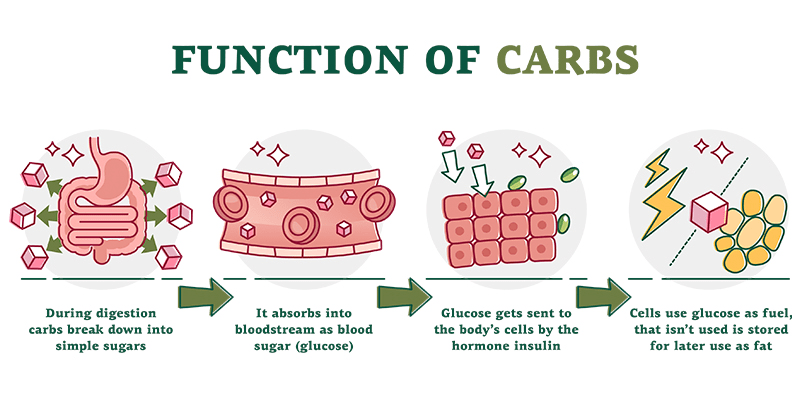
Cells create energy in the process known as cellular respiration, which, in short, creates ATP (adenine triphosphate) from carbohydrates (typically glucose). Ingesting food brings in carbohydrates that are broken down into glucose, which can then be taken into a cell to turn into ATP. When this process is disrupted and cells cannot adequately use or intake glucose, diabetes can occur.
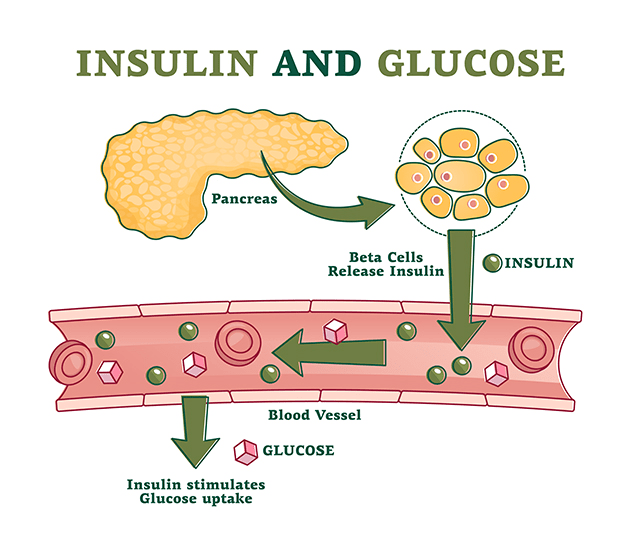
Normally, when an individual ingests, for example, an apple, the sugars in that apple are first broken down into glucose molecules, which are then absorbed into the bloodstream via the microvilli in the small intestine. Glucose flows through the bloodstream and signals the β-cells located in the islets of Langerhans of the pancreas to secrete insulin, a protein hormone that regulates blood sugar levels using the tyrosine kinase receptor pathway. The insulin protein first interacts with the insulin receptor, a pre-formed dimer found on the outer plasma membrane of the cell. Through that binding, phosphate groups from ATP are transferred to tyrosine residues, activating them (autophosphorylation). The phosphorylated tyrosine residues are then able to phosphorylate other proteins, for instance the Insulin Receptor Substrate (IRS) protein, which acts as a docking site for other cell signaling molecules, initiating phosphorylation cascades that eventually move the GLUT-4 glucose transporter protein to membrane surfaces, which allows glucose to enter the cell [1].
Diabetes can be observed due to multiple causes, for instance, if a mutation in a protein causes it to no longer function efficiently, if insulin is not produced, or cells become resistant to insulin the body produces. Now, let’s look at how Type 1 and Type 2 diabetes differ and how they interrupt the normal intake of glucose.
● Type 1: Type 1 diabetes is an autoimmune condition where the β-cells in the pancreas are destroyed by immune cells, resulting in insulin production coming to a halt. No insulin will bind to the tyrosine kinase receptors, meaning they will not be dimerized and phosphorylated, causing no phosphorylation cascade to occur and activate the GLUT-4 protein to allow glucose to enter the cell. This creates an increased concentration of glucose built up in the bloodstream (high blood sugar). According to 2021 data from the American Diabetes Association, Type 1 diabetes affects about 2 million individuals in the U.S. and is diagnosed more frequently in young kids [1, 2].
● Type 2: Type 2 diabetes is a hormonal condition, where β-cells produce too little insulin, or when cells become insulin resistant. Insulin resistance can occur due to mutations in insulin receptor and processing proteins or complex metabolic/inflammatory signaling changes, which make them unable to intake, phosphorylate, or activate other proteins. Type 2 diabetes affects about 37 million individuals in the U.S. and is more common in adults [3]. Type 2 diabetes can be developed within an individual’s lifetime due to a variety of factors, for example, increased and consistent consumption of glucose, hormonal changes, predisposed genetics, etc.
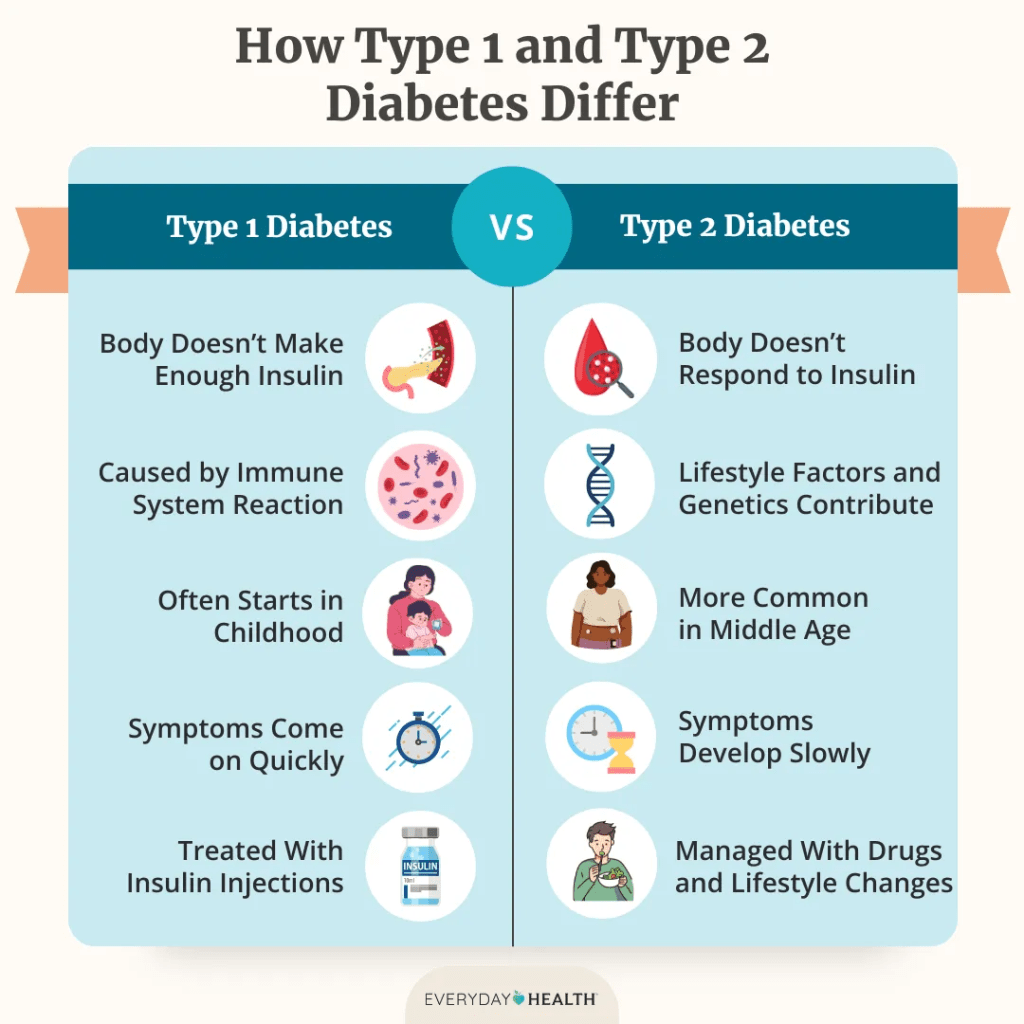
http://www.everydayhealth.com/diabetes/difference-between-type-1-type-2-diabetes/. Accessed 24 Sept. 2025.
Common symptoms of diabetes, both Type 1 and 2 include frequent urination, increased blood sugar levels, fatigue, frequent thirst, and weight changes. Even though diabetes is fairly common, there are a variety of treatment options available today. For instance, there are many medications that provide supplemental insulin that cells can use to intake glucose. Common treatment options also include using an insulin pump or insulin shots. Other medications, like Metformin, work by inhibiting gluconeogenesis, or the formation of glucose molecules from non-carbohydrate materials, as well as improve the body’s sensitivity to insulin to help prevent the formation of glucose from glycerol. This medication is one of the most common drugs to treat Type 2 Diabetes and similarly to many other treatment options, is continuing to be developed to maximize its efficiency [4]. Lifestyle changes like monitoring blood sugar levels and regulating diet and exercise can also be beneficial for those living with diabetes. Scientists are continuously studying diabetes and cell metabolism, helping to better understand the causes and treatment options for diabetes.
References
- Rahman, S. (2021). Role of Insulin in Health and Disease: an Update. International Journal of Molecular Sciences, 22(12), 6403. https://doi.org/10.3390/ijms22126403
- Krause, M., & De Vito, G. (2023). Type 1 and type 2 diabetes mellitus: Commonalities, differences and the importance of exercise and nutrition. Nutrients, 15(19), 4279–4279. https://doi.org/10.3390/nu15194279
- Cleveland Clinic. (2024, February 29). What’s the Difference Between Type 1 and Type 2 Diabetes? Cleveland Clinic. https://health.clevelandclinic.org/type-1-vs-type-2-diabetes
- Backman, I. (2022, February 28). How a widely used diabetes medication actually works. Yale Medicine. https://medicine.yale.edu/news-article/how-a-widely-used-diabetes-medicatio n-actually-works/
- American Diabetes Association. (2023). Statistics about diabetes. American Diabetes Association https://diabetes.org/about-diabetes/statistics/about-diabetes
 Meducated